In this article, we'll discuss the vital indications that may suggest it's time to call in a professional plumber. Ignoring these signs can lead to more severe issues and costlier repairs. Understanding these signals can help you take timely action to protect your home and prevent extensive damage. By being informed, you can also make more efficient decisions about maintenance and repairs. Let's dive into the specifics of each sign you should be aware of.
1. Persistent Dripping Faucets
Persistent dripping faucets are more than just an annoyance; they can significantly increase your water bill over time. A single dripping faucet can waste over 3,000 gallons of water annually, impacting both your wallet and the environment. The cost of ignoring such drips extends beyond finances—it also affects natural resources. Many homeowners overlook the significance of a drip, but it's crucial to assess the underlying causes to prevent larger issues. Understanding this can also guide you in deciding whether it’s a DIY fix or a job for a plumber.
Common causes of persistent drips include worn-out washers, corroded valves, or even poor pipe installation. Identifying these issues can be complex without the right tools and experience, making it more challenging for a layperson to diagnose the root problem. In many cases, temporary fixes like tightening valves can alleviate the problem temporarily but often fail to provide a long-term solution. The right solution often involves replacing parts, which may require specialized skills that only a professional can provide. Delaying professional intervention may exacerbate the issue, leading to more extensive repairs later.
The economic and environmental impact of persistent drips cannot be understated. Besides the increase in your water bill, inefficiencies in your plumbing due to neglect can lead to more significant ecological footprints. Calling a professional plumber can ensure that the underlying issues are resolved comprehensively. Once repaired, you will likely notice a decrease in your water bills and feel good about contributing less waste to your local environment. Consider professional advice whenever you notice persistent dripping, as a minor repair now can avoid larger problems in the future.
2. Slow or Clogged Drains
Slow or clogged drains are troublesome but common issues that homeowners face. Items like hair, soap scum, and food waste often cause build-up in drains, making water flow inefficient. Homeowners frequently attempt to solve these issues using DIY methods without fully understanding the extent of the blockage. While these solutions can offer temporary relief, they often fail to reach deeper blockages that may reside further down the pipe system. It is essential to discern between a minor clog and signs of a more severe blockage to decide when professional help is necessary.
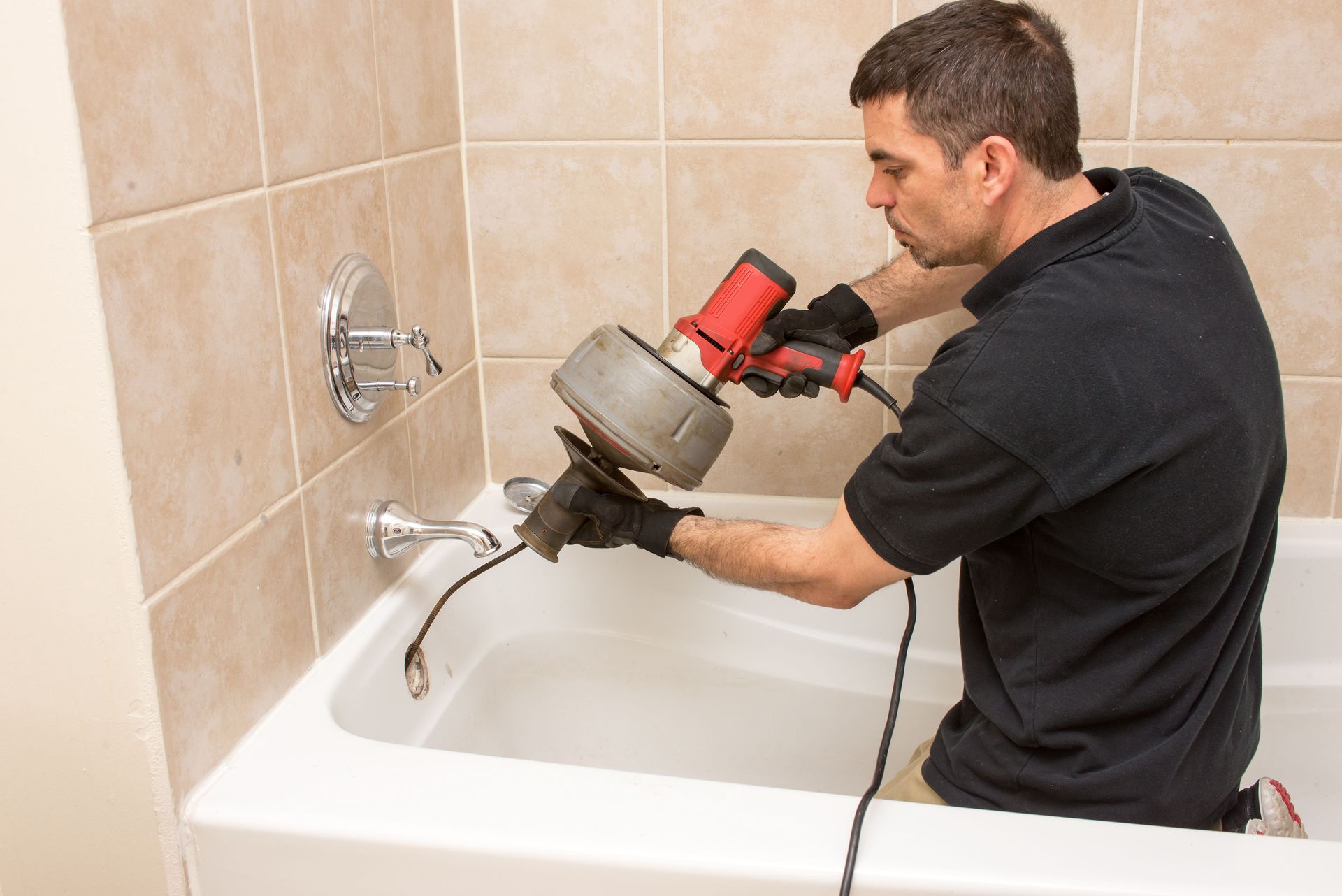
DIY solutions such as plungers or household drain cleaners might be the first attempt to clear blockages. Though these methods can solve minor issues, significant clogs may persist, often leading to bigger problems that are harder to manage. Chemical drain cleaners are commonly used, but they come with risks that could weaken or damage the pipes over time. Homeowners might also risk causing further obstruction if improper tools are used, leading to costly repairs. When DIY solutions fail, it's wise to call a professional plumber who can employ advanced techniques to clear the blockage effectively and safely.
Major blockages often show early signs like slow drains in multiple fixtures. These could indicate severe issues within the plumbing system, requiring immediate professional intervention. Professionals offer solutions like hydro-jetting, which breaks down build-up using high-pressure water streams, ensuring the restoration of proper water flow. Expert assessment will also help deter homeowners from using risky chemical cleaners that weaken the plumbing structure over time. Engaging a plumber ensures that the drain is cleared and includes preventative guidance on keeping the system in optimal condition.
3. Low Water Pressure
Low water pressure can be an irritating problem, affecting everything from showering to washing dishes. Troubleshooting requires identifying whether the issue is isolated to a specific fixture or your home's entire plumbing system. Several factors can contribute to low water pressure, including clogged pipes, malfunctioning pressure regulators, or even municipal supply issues. For individual fixtures, cleaning aerators and showerheads might offer a quick fix. However, if the issue pervades multiple faucets, a more comprehensive investigation is warranted to pinpoint the source.
To effectively address low water pressure, homeowners need to identify common causes such as mineral build-up in pipes or aging infrastructure. Regular maintenance can mitigate some problems, but other issues, such as corroding pipes, require urgent professional attention. Homes with older plumbing systems are particularly vulnerable to such issues, as corroding pipes can severely restrict water flow and even lead to leaks. Testing your water pressure regularly can help indicate when intervention is necessary. A reliable plumber can offer a comprehensive diagnosis, ensure effective remedies, and possibly recommend system upgrades if needed.
Simple home remedies may sometimes restore proper water pressure but often come with limitations when addressing root issues. While cleaning fixtures can temporarily resolve low pressure, substantial improvement usually requires professional clearing of the entire plumbing system. Proper diagnostic tools and expertise are essentials that professionals provide, offering targeted solutions to remedy the issue effectively. An expert evaluation can reveal whether the problem ties back to municipal issues or requires internal repairs. By seeking professional solutions promptly, homeowners can prevent larger complications resulting from persistently low water pressure.
4. Water Heater Issues
Water heater problems can disrupt household routines significantly, often manifesting through inconsistent water temperatures or sudden surges of hot water. Symptoms such as fluctuating temperatures or a complete lack of hot water necessitate a closer inspection of the heater. Regular maintenance is essential to preempt these issues and maintain efficiency. Neglecting maintenance may lead to severe complications like leaks or loss of heating capability. The appliance's age is a vital factor; according to HomeGuide, you should consider replacing your water heater if it is over ten years old or if the repair costs exceed 50% of a total replacement.
Understanding common water heater issues can aid in timely troubleshooting and service calls. Common problems often involve faulty thermostats, sediment build-up, or broken heating elements. By tackling these issues early, costly repairs and replacements can often be reduced. However, homeowners should weigh the benefits of repair versus replacement prudently. A professional evaluation can help determine the most cost-effective course, ensuring that discomfort from water heater malfunctions is minimized.
5. Frequent Toilet Overflows
Frequent toilet overflows are not just major inconveniences; they can cause extensive water damage if not addressed promptly. Immediate action can prevent further spills, which is crucial to minimize resulting damages. Homeowners often tend to underestimate the urgency, contributing to recurring and exacerbating issues. Identifying the root cause is essential to crafting an appropriate remedy. While plungers or augers may offer respite, they often don't address underlying issues like sewer line problems or septic system failures.
Professional plumbing services offer various solutions to frequent toilet overflows, benefitting homeowners significantly. For complex issues, a thorough inspection and an expert remedy will eliminate recurring problems and bolster the existing system's integrity. Plumbers leverage specialized equipment and experience to ensure comprehensive drainage and repair. Professional advice also helps mitigate future problems by suggesting better management practices for septic and sewer systems. Trusting a plumber ensures that remedial actions target the issue's core, fortifying the plumbing infrastructure for sustained stability and performance.
Understanding and recognizing the signs that you need professional plumbing assistance can save you from unexpected plumbing disasters and costly repairs. Act quickly when you encounter any of these signs to ensure the longevity and efficiency of your home's plumbing system. Proactivity in addressing these concerns is key to avoiding larger, more expensive repairs down the line. Knowing when to call in a professional can make all the difference in managing your home's plumbing effectively. By taking these signs seriously and reacting swiftly, you protect both your home and your peace of mind. Reach out to Bluewater Plumbing Heating & Air today to see how we can help you!