Managing a residential property requires constant vigilance, technical foresight, and a foundational understanding of critical building utility systems. Among all household infrastructure, the plumbing system remains one of the most vital yet frequently misunderstood components. Homeowners routinely take uninterrupted clean water delivery and seamless waste removal for granted until a sudden mechanical failure creates severe structural damage. Leading plumbing companies recognize that educating consumers on preventative maintenance, baseline system mechanics, and early warning signs of pipe degradation is the single most effective way to eliminate emergency restoration expenses and safeguard property investments.
Establishing a proactive relationship with a licensed trade specialist transforms unpredictable household emergencies into manageable, structured maintenance routines. Understanding the physical forces governing indoor water pressure, recognizing material vulnerabilities, and knowing when to bypass amateur do-it-yourself attempts protects your living space from catastrophic flooding. Commercial service providers aim to demystify complex mechanical infrastructure, empowering property owners to make informed decisions regarding pipe materials, fixture upgrades, and system overhauls. Mastering these fundamental concepts ensures that your home maintains optimal water efficiency, structural hygiene, and uninterrupted daily comfort for years to come.
Understanding Water Pressure Dynamics and System Infrastructure
A residential plumbing network is a closed, pressurized system comprised of supply lines, drainage channels, and atmospheric ventilation pipes designed to deliver potable water and remove waste safely. Maintaining balanced water pressure across this network is critical for preserving pipe joints, internal appliance valves, and delicate fixture seals. When municipal delivery or well pumps force water through household lines at excessive pressures, sensitive brass fittings and appliance solenoids experience accelerated mechanical wear. According to HomeGuide, replacing a water pressure regulator takes about three hours to install, making it a highly accessible, cost-effective upgrade that protects your entire plumbing infrastructure from pressure-induced ruptures.
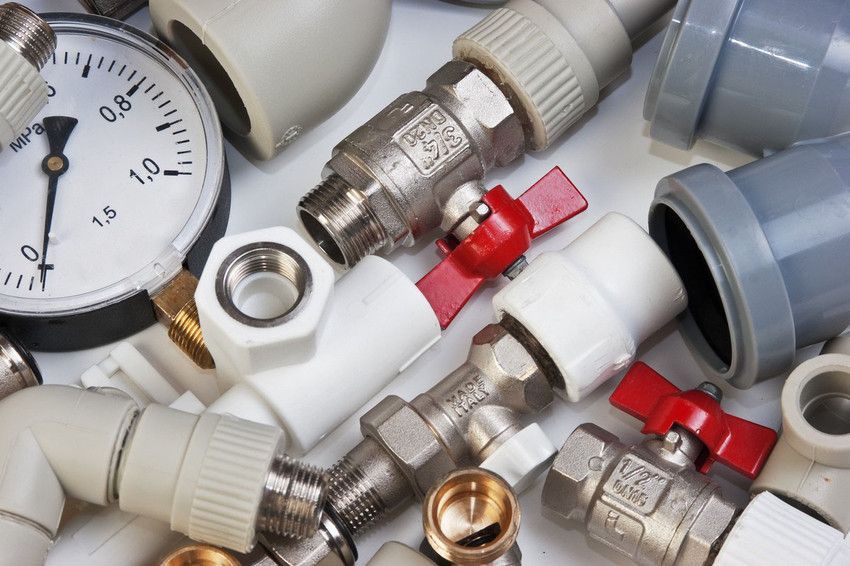
Recognizing the distinct physical properties of modern piping materials further aids homeowners in planning necessary infrastructure upgrades. Legacy homes frequently utilize galvanized iron or rigid copper pipes that suffer from internal mineral scaling, corrosion, and pinhole leaks over decades of continuous usage. Conversely, modern installations utilize flexible PEX or durable PVC piping, which offer high resistance to chemical corrosion, freeze-induced expansion, and mineral buildup. Established plumbing companies evaluate existing pipe composition during routine inspections, recommending targeted repiping strategies that improve indoor water flow, maintain structural integrity, and optimize home marketability.
Preventing Household Clogs and Water Damage
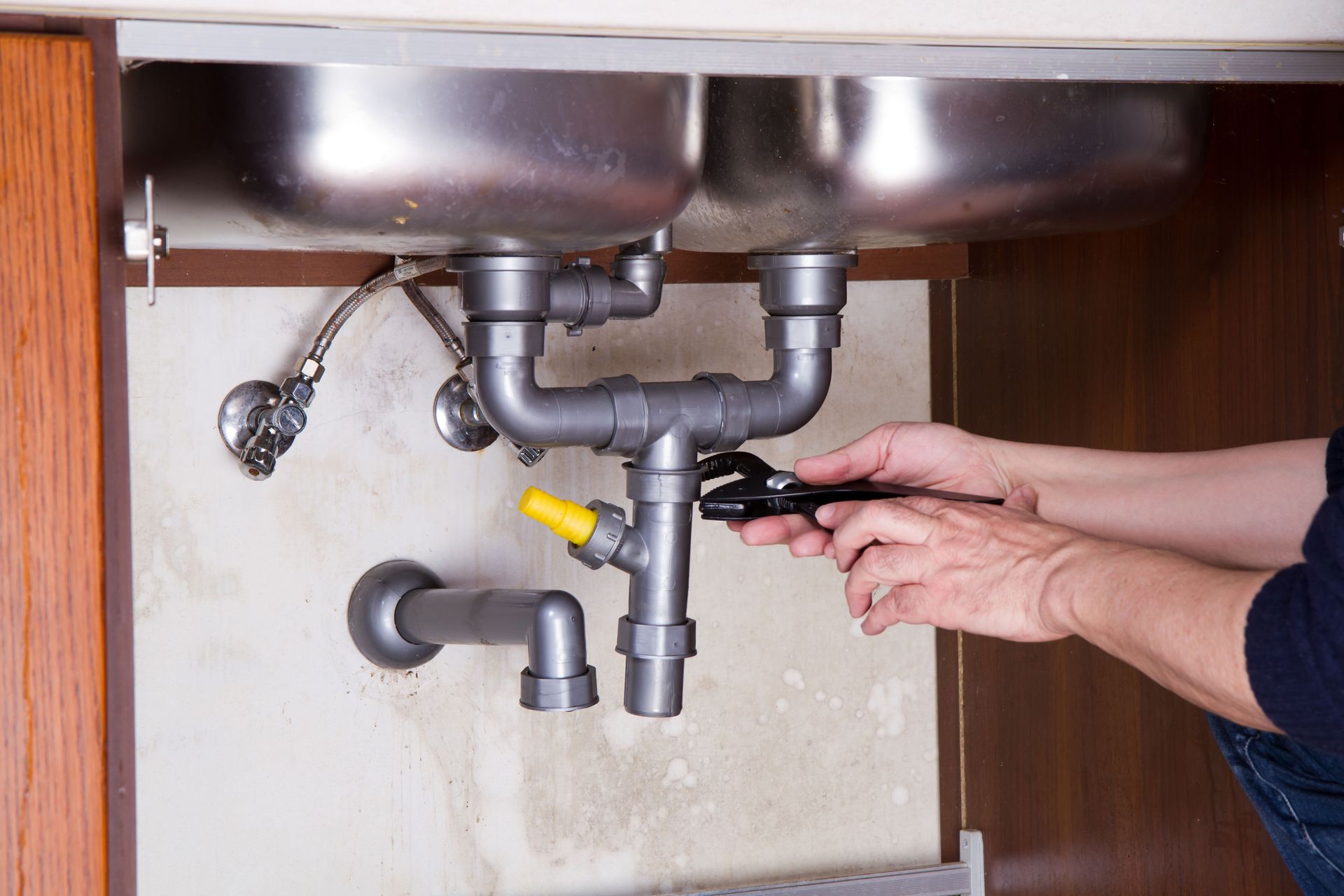
Preventing chronic drain clogs and localized pipe blockages relies entirely on regulating what enters your wastewater system. Kitchen sinks and main bathroom drains suffer constant abuse from cooking fats, hair accumulations, coarse food scraps, and non-biodegradable paper products. When grease cools inside drain pipes, it solidifies into dense blockages that trap passing debris, creating stubborn clogs deep within main sewer lines. Utilizing physical drain strainers and avoiding harsh chemical drain cleaners—which corrode metal pipes and degrade PVC seals—preserves internal pipe surfaces and ensures uninterrupted wastewater flow.
Unaddressed water leaks and seasonal pipe freezes represent additional severe threats to residential structural health. Minor faucet drips and slow toilet flapper leaks waste thousands of gallons of water annually while quietly driving up monthly utility bills. During severe winter freezes, uninsulated copper lines in crawlspaces or exterior walls can burst under immense ice expansion pressure, saturating surrounding subfloors and framing timber. Partnering with professional plumbing companies to execute pre-winter pipe insulation, rapid leak detection, and valve servicing prevents hidden mold growth, structural wood rot, and expensive emergency restoration bills.
Validating Licensing, Insurance, and Workmanship Standards
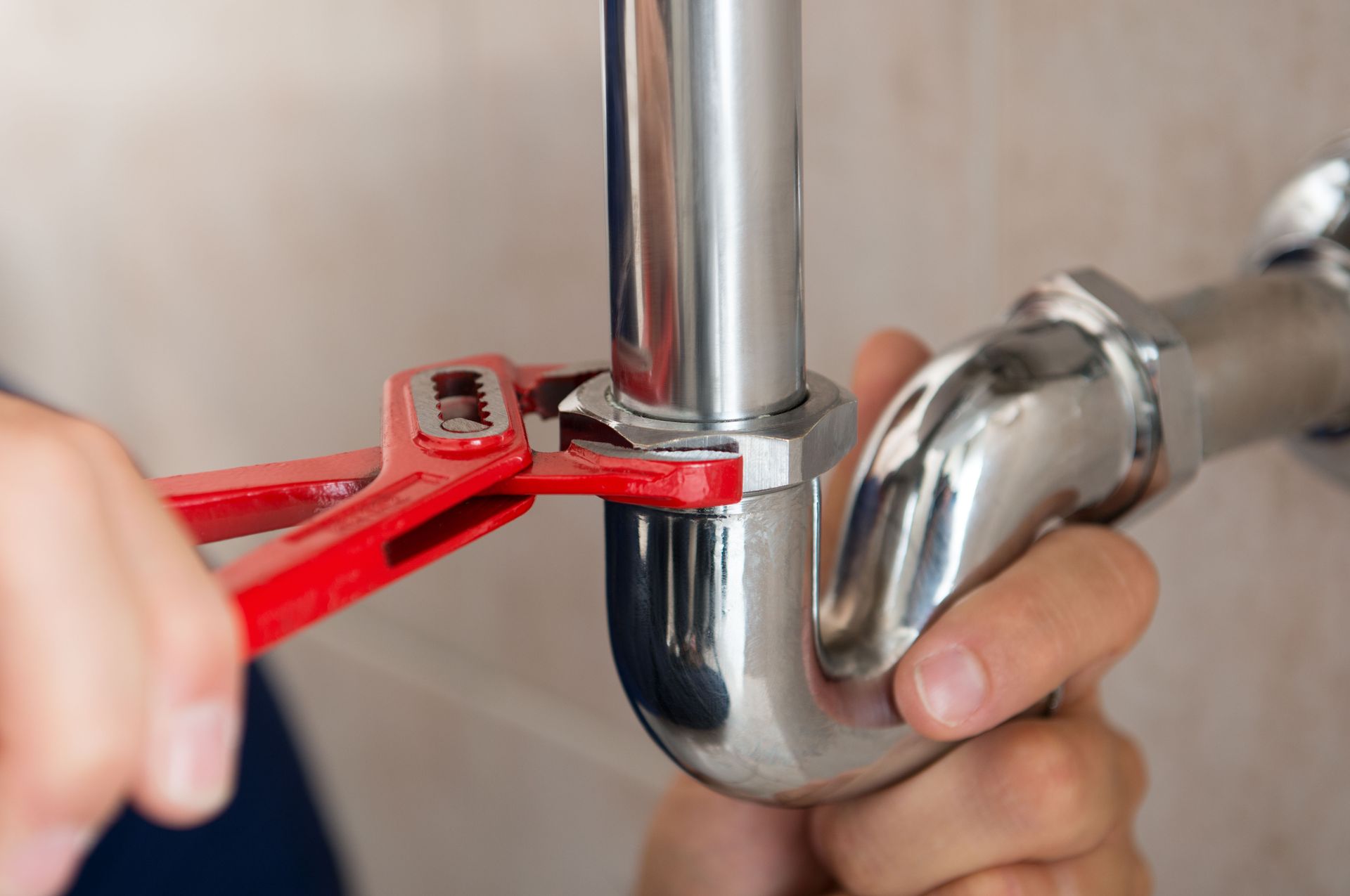
Hiring licensed and fully insured trade specialists is a mandatory prerequisite for protecting your financial assets and residential real estate investment. Verified licensing confirms that a service technician has completed thousands of hours of supervised field apprenticeships, passed rigorous technical examinations, and maintains up-to-date knowledge of regional building codes. Furthermore, reputable plumbing companies carry robust commercial liability insurance and workers' compensation coverage. Validating these credentials prior to signing service contracts protects homeowners from personal financial liability in the event of jobsite injuries or accidental property damage during construction.
Recognizing exceptional craftsmanship involves observing a technician's diagnostic accuracy, physical installation neatness, and commitment to jobsite cleanliness. Top-tier professionals utilize advanced diagnostic tools—such as video pipe inspection cameras and digital leak detectors—to locate structural defects without causing unnecessary damage to walls or flooring. They provide detailed, itemized explanations of proposed repairs, respect household schedules, and back their labor with clear written warranties. Choosing certified specialists guarantees that your residential utilities receive meticulous technical attention backed by complete commercial accountability.
Integrating Modern Smart Water Technologies
The rapid evolution of smart home technology has revolutionized residential water management, offering unprecedented protection against undetected structural flooding. Modern smart leak detection systems utilize wireless sensors placed near high-risk appliances, main shut-off valves, and subterranean supply lines to monitor continuous water flow. When unusual flow patterns or sudden pressure drops occur, automated main shut-off valves act instantly to isolate your home's water supply while dispatching real-time alerts to your smartphone. Experienced plumbing companies specialize in configuring these smart systems, providing property owners with continuous digital oversight over their utility infrastructure.
In addition to digital monitoring, eco-friendly water-saving fixtures allow households to curb monthly utility expenditures without compromising daily functional performance. High-efficiency toilets, aerated showerheads, and smart irrigation controllers drastically reduce overall household water consumption. Implementing greywater recycling arrays and tankless water heaters further optimizes residential energy usage while promoting regional environmental conservation. Collaborating with forward-thinking technical specialists enables homeowners to integrate cutting-edge sustainability features that lower operational living costs and enhance overall property value.
Selecting the Ideal Local Service Provider
Selecting the right commercial partner requires evaluating local business reputations, customer feedback trends, and long-term service capabilities. Independent local companies often provide highly personalized customer care, possessing deep familiarity with regional soil conditions, water hardness levels, and municipal code nuances. Reading verified client reviews across independent platforms helps property owners identify businesses that consistently demonstrate punctuality, fair pricing, and reliable warranty support. Establishing an ongoing relationship with a trusted local firm ensures prioritized scheduling during severe weather events and emergency mechanical breakdowns.
Ultimately, establishing a long-term relationship with an experienced service provider creates an invaluable maintenance history for your property. Technicians who are familiar with your home's specific pipe layouts, fixture ages, and previous repair records can diagnose emerging issues faster and recommend targeted preventative upgrades. Comprehensive historical knowledge streamlines routine servicing, lowers overall repair costs, and guarantees that your infrastructure receives personalized technical care. Investing time into selecting a reputable partner ensures total peace of mind and long-term mechanical reliability across your entire property.
Understanding the mechanical realities, maintenance demands, and structural vulnerabilities of your residential utility network is essential for maintaining a safe, comfortable, and efficient home. From managing water pressure dynamics and preventing costly drain clogs to verifying professional credentials and integrating automated leak detection technologies, proactive homeowner awareness remains the ultimate defense against sudden mechanical failures. Relying on certified trade specialists ensures that every pipe modification, fixture installation, and emergency intervention adheres strictly to regional building codes while delivering lasting structural stability. Taking charge of your property's utility infrastructure today eliminates unexpected repair expenses, lowers monthly utility bills, and protects your home's long-term resale value. When you are ready to fortify your residential utility systems with reliable, high-caliber technical care, contact the experienced specialists at Bluewater Plumbing Heating & Air to schedule your comprehensive service consultation today.