A small plumbing problem can lead to a surprisingly large bill. A dripping faucet wastes water, a struggling water heater can use more energy than necessary, and a leak behind a wall can damage materials long before anyone notices. Although professional service has an upfront cost, addressing the right issue at the right time can help homeowners avoid more expensive repairs.
Water waste shows why early attention matters. According to the Environmental Protection Agency (EPA), the average household's leaks can waste nearly 10,000 gallons of water each year. That is water a household may pay for without receiving any benefit. Experienced plumbers can help identify sources of waste, explain repair options, and recommend improvements based on a home's condition rather than suggesting unnecessary replacements.
1. Identify Leaks Before Water Bills Rise
Not every leak leaves a puddle. Water can escape through worn toilet components, loose supply connections, or pipes concealed behind walls. Sometimes the first clue is an unexpected increase in water use, a musty odor, or a damp patch beneath a cabinet. A dripping fixture may seem insignificant, but a steady leak can add up over weeks or months.
A professional can examine suspicious areas, test fixtures, and determine whether water is escaping from a supply line or another source. Finding the cause matters because replacing a visible part will not solve a leak elsewhere in the system. Timely repairs can reduce wasted water and limit the chance of damage to flooring, drywall, and cabinetry.
Homeowners can also watch their water bills for unusual changes and periodically inspect accessible connections. These simple habits make it easier to report concerns before they become more expensive.
2. Address Minor Problems Before Emergencies Develop
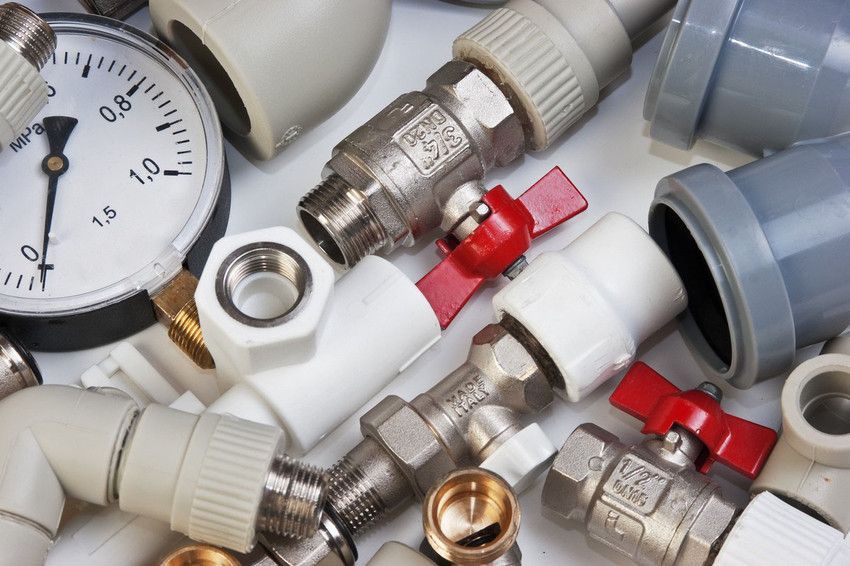
Slow drains, recurring clogs, fluctuating water pressure, and corrosion around pipe joints often signal that a system needs attention. Ignoring these signs can allow an existing problem to worsen, particularly when pipes are aging or a blockage continues to grow. An unexpected plumbing emergency may also bring costs for cleanup, temporary accommodations, or restoration work.
During an inspection, plumbers can assess the condition of visible pipes, valves, drains, and connections. They may recommend cleaning a problem drain, replacing a worn component, or investigating the cause of repeated blockages. The goal is to address a specific concern before it disrupts daily routines or damages surrounding materials.
Preventive service does not eliminate every emergency. It does, however, give homeowners a chance to schedule appropriate work, review an estimate, and budget for the repair instead of making decisions during an urgent situation.
3. Maintain Water Heaters for Efficient Operation
Water heating is a regular household expense, so the condition of the equipment matters. Sediment can build up inside some storage-tank heaters, while worn components or incorrect settings may affect performance. A system that takes longer to deliver hot water, makes unusual noises, or produces inconsistent temperatures deserves a closer look.
Depending on the heater's type, age, and manufacturer guidance, a professional might inspect connections, check operating settings, evaluate safety components, or recommend appropriate maintenance. Regular care may help the equipment operate as intended and reveal problems before a breakdown leaves the household without hot water.
Plumbers can also help homeowners weigh the cost of servicing an existing unit against replacing one that is inefficient or approaching the end of its useful life. A new heater is not automatically the least expensive option; the right decision depends on the equipment's condition, expected usage, and installation costs.
4. Install Fixtures That Use Less Water
Some savings come from reducing the amount of water used in everyday routines. Faucet aerators, water-efficient showerheads, and modern toilets can lower consumption without requiring households to change every habit. These products vary in performance, so choosing a suitable model matters as much as choosing one advertised as efficient.
Plumbers can evaluate compatibility with existing connections, address concerns about pressure, and install fixtures correctly. For example, replacing a continuously running toilet may save more water than upgrading a functioning faucet. Prioritizing the largest source of waste helps homeowners direct money toward improvements likely to matter.
Before replacing fixtures throughout the house, compare the purchase and installation costs with the potential reduction in water use. Savings depend on household size, usage patterns, and local utility rates. Thoughtful upgrades are generally more useful than replacing equipment simply because a newer model is available.
5. Insulate Pipes and Reduce Heat Loss
Hot water can lose heat while traveling through exposed pipes, particularly in unheated or poorly insulated areas. Insulating accessible hot-water lines may help water retain its temperature between the heater and the fixture. Depending on the layout of the home, this can improve comfort and reduce some unnecessary energy loss.
Pipe insulation may also be part of a broader plan to protect plumbing in cold conditions. However, insulation alone does not guarantee that a pipe will not freeze, especially during extended periods of severe weather. Location, airflow, and the home's heating conditions all affect risk.
Plumbers can identify accessible lines that would benefit from attention and flag damaged or vulnerable sections. This allows homeowners to target practical improvements rather than spending money insulating areas that offer little benefit. The result is a more deliberate approach to energy use and seasonal maintenance.
6. Complete Repairs With the Right Tools and Methods
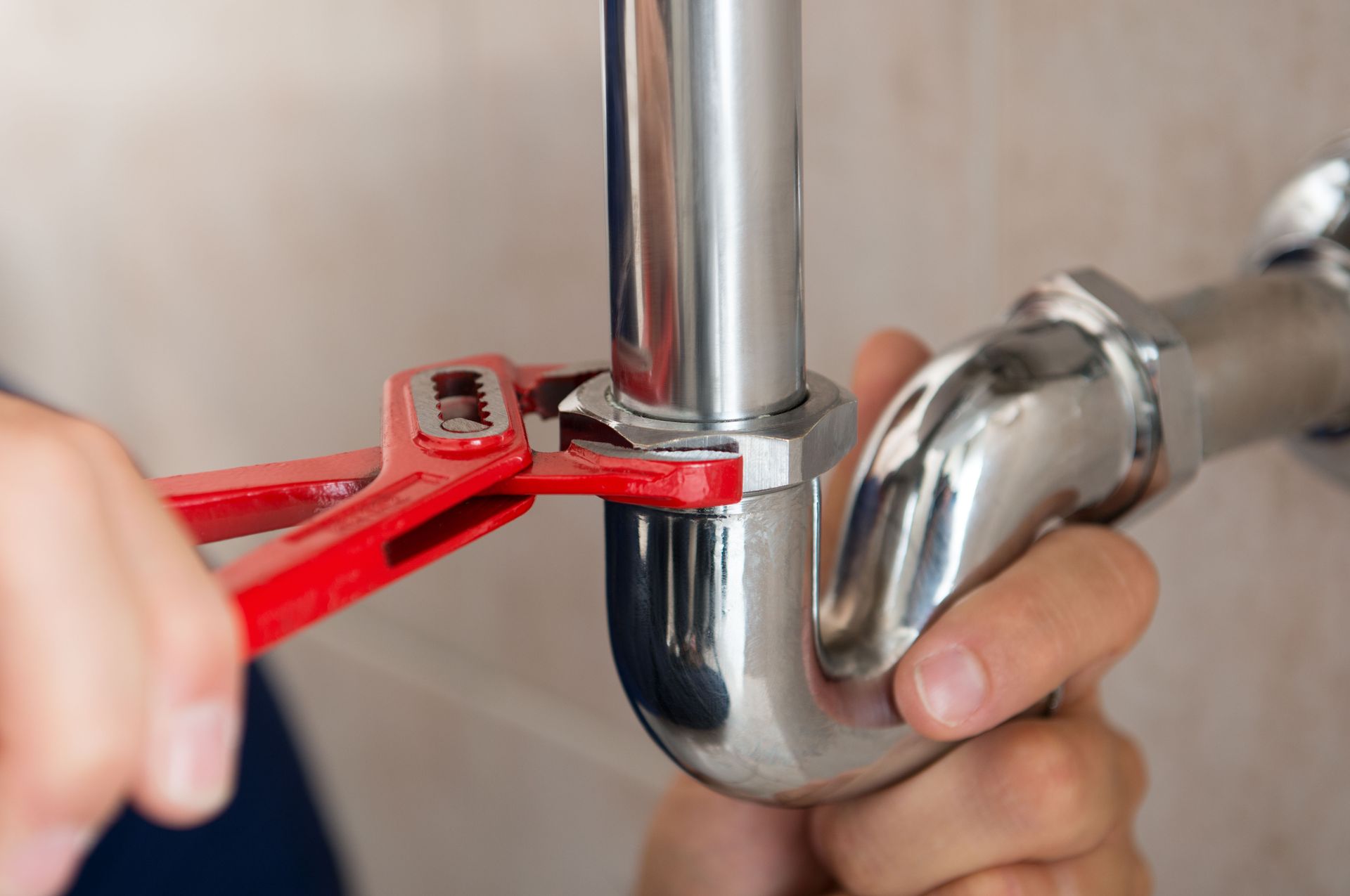
A do-it-yourself fix may appear less expensive until a poorly fitted connection starts leaking again. Plumbing repairs often involve more than tightening a fitting or applying sealant. The pipe material, water pressure, condition of adjacent parts, and underlying cause all affect which repair is appropriate.
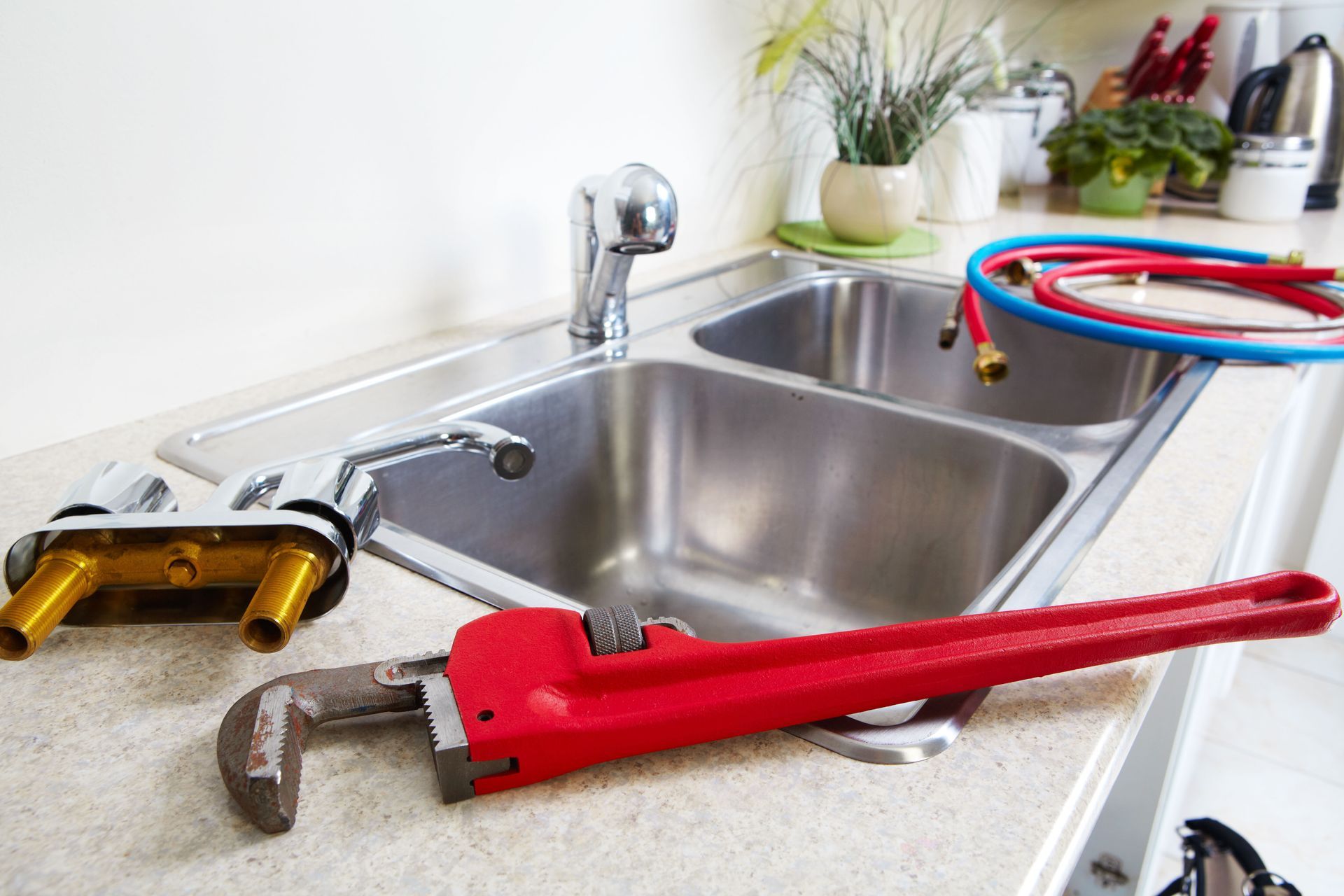
Professionals have access to diagnostic equipment and tools suited to tasks such as identifying concealed leaks or clearing persistent blockages. The correct approach can reduce unnecessary disturbance to pipes and fixtures. It can also help avoid repeated purchases of parts that never addressed the original issue.
Local plumbing codes and permit requirements are another consideration for certain installations or alterations. Hiring qualified plumbers who understand applicable requirements can reduce the risk of corrective work later. Homeowners can help control costs by asking for a clear explanation of the problem, a written estimate, and any reasonable alternatives before work begins.
7. Plan Upgrades Around Actual Needs
Replacing every older plumbing component at once is rarely necessary. Some pipes and fixtures remain serviceable for years, while others become expensive to maintain because of repeated failures. An informed plan separates items needing prompt attention from improvements that can be scheduled over time.
Experienced
plumbers can consider repair history, visible corrosion, material condition, water pressure, and recurring leaks. With that information, homeowners can prioritize work that protects the property or improves day-to-day performance. For major projects, comparing the expected cost of another repair with the expense and potential benefits of replacement can clarify the decision.
Planning ahead also makes it easier to request estimates, select fixtures, and schedule work at a convenient time. Even when an upgrade requires a larger initial investment, making the decision before a failure may help avoid rushed choices and unexpected related expenses.
Make Plumbing Maintenance Part of the Household Budget
Plumbing savings do not come from avoiding every service call. They come from preventing needless water use, maintaining equipment appropriately, and choosing repairs that address the actual problem. Prompt attention to leaks, thoughtful fixture upgrades, and a realistic replacement plan can all help keep household costs more predictable.
Homeowners who notice rising water bills, recurring drain problems, or aging equipment can contact Bluewater Plumbing Heating & Air to discuss their concerns and explore suitable next steps. A practical assessment is a useful starting point for deciding where maintenance dollars will have the greatest value.