Maintaining a comfortable indoor environment depends heavily on the performance of your heating and cooling system. Many homeowners rely on their systems daily without fully considering the upkeep required to keep everything running efficiently. Proper residential HVAC care is essential not only for comfort but also for energy efficiency, air quality, and long-term system reliability. Without regular attention, even the most advanced systems can lose efficiency, develop issues, and require costly repairs.
Your residential HVAC system works year-round to regulate temperature, manage humidity, and circulate air throughout your home. Because of this constant demand, consistent maintenance becomes a key factor in ensuring dependable performance. By adopting a proactive approach, homeowners can extend the lifespan of their systems and reduce the likelihood of unexpected breakdowns.
Maintaining Consistent Air Filter Replacement Habits
Air filters play a critical role in the performance of any residential HVAC system. They are responsible for capturing dust, debris, and airborne particles before they circulate throughout the home. Over time, these filters become clogged, restricting airflow and forcing the system to work harder than necessary.
Replacing air filters regularly helps maintain proper airflow and supports overall system efficiency. Clean filters also contribute to better indoor air quality, which is especially important for households with allergies or respiratory sensitivities.
When filters are neglected, the system must compensate for reduced airflow, which can lead to increased wear on internal components. This added strain may result in higher energy consumption and reduced system lifespan. Keeping up with filter replacement is one of the simplest yet most effective ways to support residential HVAC performance.
Scheduling Routine Professional System Inspections
Regular inspections by qualified professionals are essential for maintaining the health of a residential HVAC system. These inspections allow technicians to identify potential issues before they develop into more serious problems.
During a professional inspection, various components are evaluated, including electrical connections, refrigerant levels, and system controls. This thorough assessment helps ensure that the system operates safely and efficiently.
According to the U.S Department of Energy, HVAC systems represent about 48%–50% of total household energy consumption, making them the largest energy expense in most homes. This highlights the importance of keeping systems properly maintained to avoid unnecessary energy use.
Routine inspections also provide an opportunity to make adjustments that improve system performance. By addressing small issues early, homeowners can prevent costly repairs and maintain consistent comfort throughout the year.
Keeping Outdoor Units Clean And Unobstructed
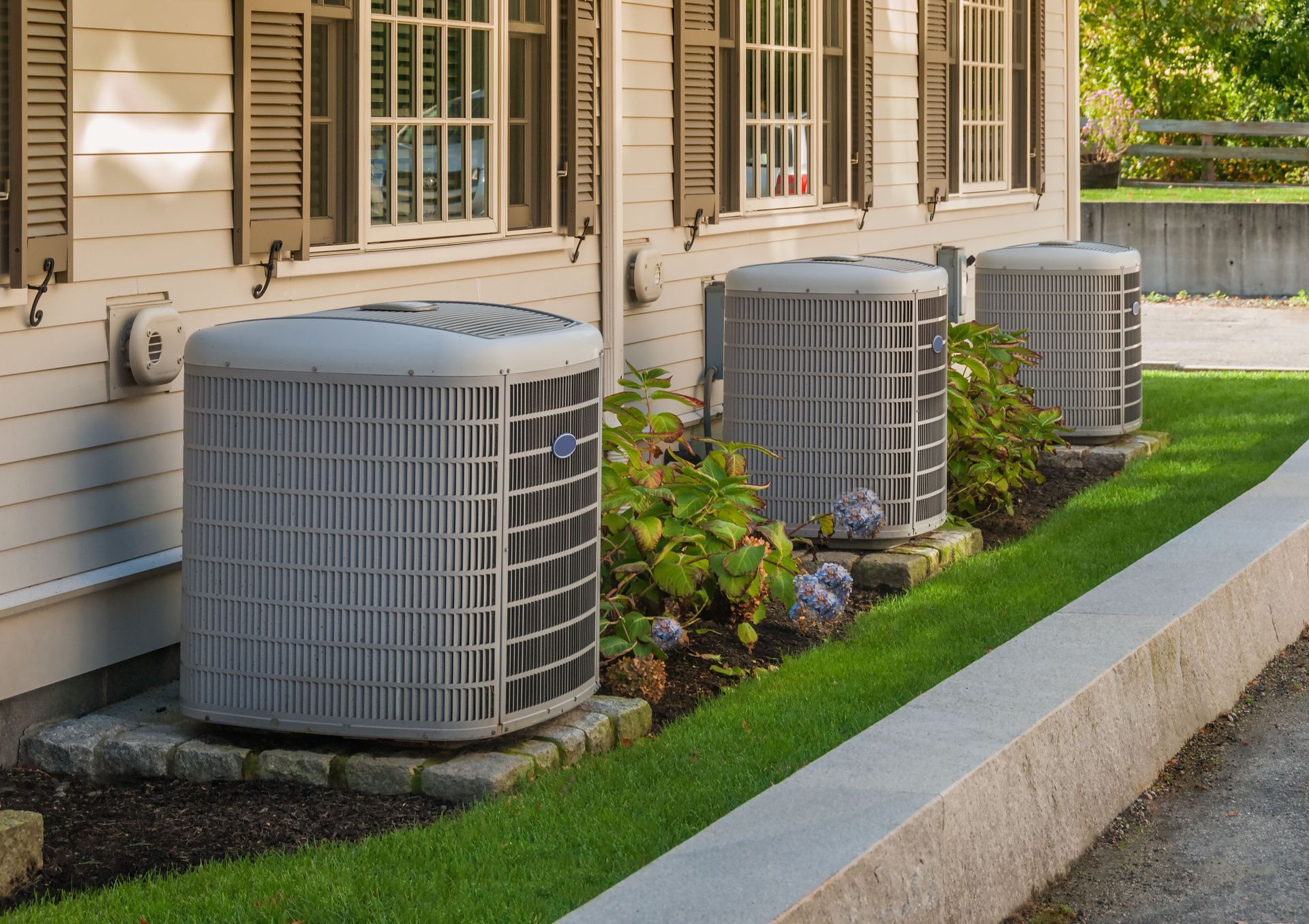
The outdoor unit is a vital part of any residential HVAC system, responsible for releasing heat and supporting the cooling process. When this unit becomes obstructed by debris, dirt, or vegetation, it can struggle to perform efficiently.
Keeping the area around the outdoor unit clear allows for proper airflow and heat exchange. This helps the system operate more effectively and reduces the likelihood of overheating or mechanical strain.
Regular cleaning of the unit’s exterior and surrounding space can prevent buildup that may interfere with performance. Ensuring that airflow remains unobstructed is essential for maintaining system efficiency and avoiding unnecessary stress on components.
A clean and well-maintained outdoor unit contributes to smoother operation and helps extend the overall lifespan of the residential HVAC system.
Monitoring Thermostat Performance And Settings
The thermostat serves as the control center for a residential HVAC system, regulating temperature and ensuring that the home remains comfortable. Monitoring its performance is an important aspect of overall system maintenance.
Ensuring that the thermostat is functioning properly allows for accurate temperature control and efficient operation. Incorrect settings or malfunctioning components can lead to inconsistent heating or cooling, as well as increased energy use.
Adjusting thermostat settings based on seasonal needs can also improve efficiency. By optimizing temperature settings, homeowners can reduce strain on the system while maintaining comfort.
In some cases, upgrading to a more advanced thermostat may provide additional benefits, such as improved control and energy management. Regardless of the type, proper monitoring ensures that the residential HVAC system operates as intended.
Enhancing Indoor Air Quality Through Proper Ventilation
Proper ventilation is a critical yet often overlooked aspect of maintaining an efficient residential hvac system. While heating and cooling are primary functions, ensuring that fresh air circulates throughout the home is equally important for comfort and health.
Without adequate ventilation, indoor air can become stale and accumulate pollutants such as dust, allergens, and moisture. This can affect both air quality and system performance, as the residential HVAC system must work harder to manage air that is not properly refreshed.
Improving ventilation helps maintain balanced airflow and supports the overall efficiency of the system. This may involve ensuring that vents are open and unobstructed, using exhaust systems in areas with high moisture, and allowing for proper air exchange throughout the home.
Sealing Ductwork And Improving Airflow Efficiency
Ductwork plays a crucial role in distributing air throughout the home. Leaks or gaps in the duct system can lead to energy loss and reduced efficiency, making it harder for the residential HVAC system to maintain consistent temperatures.
Sealing ductwork helps prevent air from escaping before it reaches its intended destination. This improves overall airflow and ensures that each room receives adequate heating or cooling.
Improving airflow efficiency also reduces the workload on the system, allowing it to operate more effectively. This can lead to lower energy consumption and a more comfortable indoor environment.
Regularly inspecting ductwork for leaks or damage is an important step in maintaining residential HVAC performance. Addressing these issues promptly helps ensure that the system functions at its best.
Optimizing System Performance Through Regular Cleaning
Keeping your system clean is a key part of maintaining efficient residential HVAC performance. Over time, dust, dirt, and debris can accumulate on internal components such as coils, vents, and blower parts. This buildup restricts airflow and reduces the system’s ability to heat or cool effectively.
Regular cleaning helps ensure that air can move freely through the system, allowing it to operate at optimal efficiency. Clean components also reduce the strain placed on motors and other mechanical parts, which can help extend the lifespan of the system.
In addition to internal components, it is important to keep vents and registers free from obstructions. Furniture, dust buildup, or blocked vents can interfere with airflow and create uneven temperature distribution throughout the home.
Addressing Minor Repairs Before They Escalate
Small issues within a residential HVAC system can quickly develop into larger problems if left unaddressed. Unusual noises, inconsistent temperatures, or reduced airflow may indicate underlying concerns that require attention.
Addressing minor repairs early helps prevent more extensive damage and reduces the likelihood of system failure. Prompt action ensures that the system continues to operate efficiently and reliably.
Ignoring these warning signs can lead to increased wear on components and higher repair costs over time. By staying attentive to system performance, homeowners can identify potential problems before they escalate.
Regular maintenance combined with timely repairs creates a proactive approach to residential HVAC care, supporting long-term reliability and consistent performance. Proper residential HVAC maintenance is essential for ensuring comfort, efficiency, and long-term system performance. By adopting simple yet effective care practices, homeowners can reduce energy consumption, improve air quality, and extend the lifespan of their systems.
From replacing air filters to scheduling professional inspections, each step plays a vital role in keeping the system running smoothly. Consistent attention to maintenance not only prevents costly repairs but also enhances overall home comfort. At Bluewater Plumbing Heating & Air, we are committed to helping homeowners maintain reliable, efficient systems with expert care and solutions designed to keep your home comfortable year-round.