February 5, 2026
February 5, 2026 | Morgan Blount
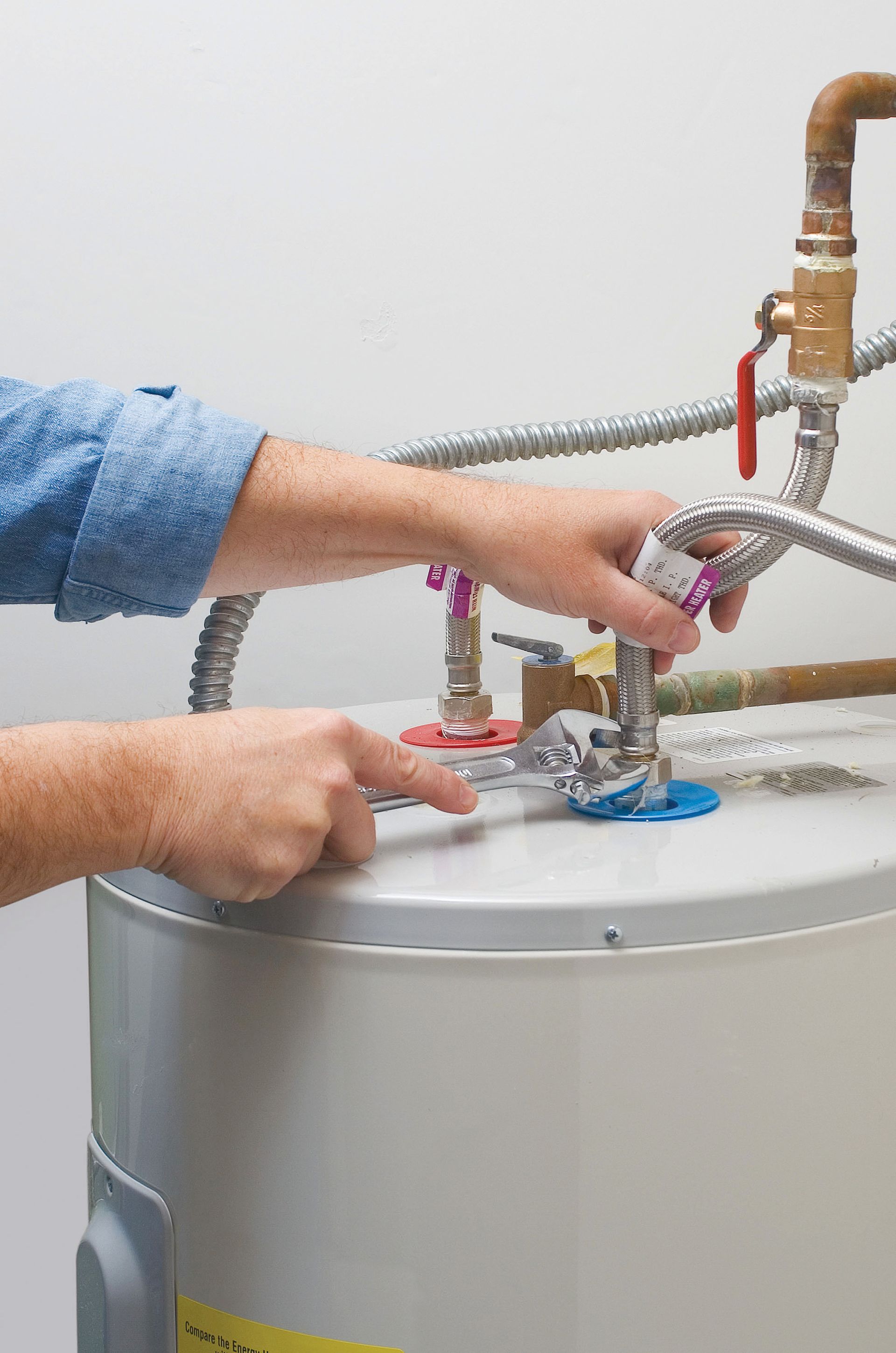
Maintaining a water heater involves more than just ensuring it delivers hot water on demand. Regular water heater service and maintenance performed by professionals are vital for the efficiency and longevity of these indispensable appliances. Without proper servicing, homeowners might face hefty repairs or even need to replace their entire system, a cost that can far exceed the price of regular maintenance. Water heater issues can lead to significant discomfort and inconvenience, particularly when they arise unexpectedly. Therefore, understanding what professionals examine during a water heater service can help homeowners appreciate the value of such visits and the peace of mind they offer.
Water heaters are complex systems that require detailed inspections to ensure they function correctly. A properly maintained heater is more energy-efficient and extends the appliance's lifespan considerably. During a typical service, technicians check various components to diagnose any existing issues and prevent potential problems. According to the Insurance Institute for Business & Home Safety, water heaters should be inspected every six months for leaks, rust, or corrosion to prevent significant malfunctions. Regularly conducted maintenance preserves the system's performance and ensures the safety of the household.
Professional inspections are crucial in detecting problems early. These water heater services contribute toward environmental sustainability by maintaining energy-efficient operation and reducing waste. Furthermore, technicians are trained to follow safety protocols that minimize risks associated with malfunctions or faulty installations. Understanding the checks that professionals perform can empower homeowners to prioritize essential maintenance. Ultimately, keeping a water heater in optimal condition results in fewer surprises, lower energy bills, and an appliance that serves the household reliably.
1. Assessing the Condition of the Anode Rod
The anode rod plays a significant role in protecting the water heater tank from corrosion. An anode rod is a sacrificial component made of magnesium, aluminum, or zinc bonded to a steel core. Its primary function is to attract corrosive elements in the water, thereby preventing the tank from rusting. Over time, this rod will slowly corrode, requiring periodic inspection and replacement to maintain its protective role. Professionals assess the anode rod condition by partially removing it and inspecting its diameter and extent of corrosion.
Signs of corrosion on an anode rod include a thinner diameter, calcium buildup, and a pitted or gouged surface. When these signs are present, replacements should be considered to prevent tank failure. By thoroughly understanding the role of anode rods and regularly inspecting them, homeowners can proactively minimize the risk of leaks and corrosion inside water heater tanks. Proper maintenance of anode rods will ultimately save on costly water heater replacements. Seemingly minor components, like the anode rod, hold massive importance in extending the tank's life.
Professionals typically replace anode rods every 3-5 years or when they are nearly depleted. Some homeowners opt for alternatives like powered anodes which may offer longer-term protection compared to traditional rods. However, traditional anode rods remain effective for most residential water heaters. During inspections, water heater service technicians evaluate the current rod type and potential benefits of alternatives based on water quality and household needs. This assessment helps ensure that the chosen solution provides sufficient protection against corrosion under the home's specific conditions.
2. Inspecting the Heating Elements
Heating elements are critical components that directly influence a water heater's ability to provide hot water. These elements convert electrical energy into heat, which is then used to raise the water's temperature. In most electric water heaters, there are usually two heating elements: one at the top and one at the bottom of the tank. The health and performance of these elements significantly affect the water heater's efficiency. Inspecting the elements during a maintenance service ensures they are functioning optimally and can effectively meet the household's hot water demands.
Common types of heating elements include screw-in, bolt-in, and clamp-in, each varying in design and installation method. Technicians look for signs of burnout or damage, such as warping, soot accumulation, or poor heating performance. Testing involves using a multimeter to check resistance, ensuring the element is drawing current properly. Replacing a faulty element is typically straightforward, but it requires careful handling to avoid damaging the tank or new heating element. Regular inspection of heating elements helps detect and resolve issues that might otherwise lead to energy inefficiency or failure to heat water adequately.
Sediment buildup at the bottom of the tank is another issue that affects heating element efficacy, especially the lower element. This sediment forms when minerals present in hard water settle during heating processes. It can create an insulating barrier, reducing heat transfer and forcing elements to work harder, resulting in higher energy consumption and potential burnout. Cleaning the tank to remove sediment is an essential part of the maintenance process. Effective sediment management can greatly extend the lifespan of heating elements and improve the water heater's performance.
3. Checking the Thermostat Functionality
The thermostat is a component that regulates the temperature of the water inside the tank. By accurately gauging the water temperature, thermostats ensure that water heaters operate efficiently without overheating. During maintenance services, professionals check the thermostat to ensure it is functioning correctly, accurately, and efficiently. A miscalibrated or faulty thermostat can lead to variability in water temperature, safety hazards, and increased energy consumption. Ensuring that the thermostat is adjusted to optimum settings improves the heating system's performance and reliability.
To evaluate thermostat functionality, technicians assess the mechanisms by which thermostats monitor and regulate tank temperature. This process involves checking calibration and resetting options to ensure precise temperature control. Symptoms of malfunctioning thermostats include water that is either too hot or too cold, poor thermostat response, and frequent over-cycling of the heating element. Replacing an impaired thermostat can effectively restore balance and efficiency across the water heater system.
4. Evaluating Water Pressure Relief Valves
Pressure relief valves are critical components designed to prevent excessive pressure buildup inside a water heater tank. Excessive pressure can pose safety hazards or lead to tank deformation, making valves essential for the secure operation of water heaters. During routine maintenance, professionals check these valves' status to confirm they function as intended and mitigate potential risk factors. Properly functioning valves relieve excess pressure and release hot water, thereby preventing potential explosions or catastrophic failure within the system.
Common issues with pressure relief valves include leakage, wear and tear, and blockage caused by mineral deposits or sediment. Technicians examine valves for signs of damage, deterioration, or malfunctioning, checking each valve's performance involves verifying opening and closing mechanisms. A pressure gauge may be used to ascertain that the valve correctly releases excess water when pressure exceeds normal levels. Addressing valve issues promptly reduces potential threats and ensures that the water heater system operates within safe pressure limits.
Each component of a water heater plays an essential role in maintaining its efficiency and safety. Regular professional inspections help prevent unexpected breakdowns and ensure that all aspects of the water heater function optimally. Attention to details such as anode rods, heating elements, thermostats, pressure relief valves, and structural integrity extends the appliance's lifespan significantly. Understanding each element's purpose and potential issues during regular maintenance fosters proactive care and effective water heater management. Homeowners are encouraged to schedule biannual professional inspections to enhance their water heaters' performance and longevity.
Routine water heater services protect against costly repairs by identifying potential problems early and stopping them from escalating. Professional evaluations confirm that the water heater performs efficiently and aligns with best practices for safety and compliance. In addition, these inspections provide an opportunity for homeowners to discuss efficiency improvements and safety upgrades with specialists. Being informed and proactive in water heater maintenance promotes lifelong dependable water heater service and insights into technological advancements. Securing consistent water heater service appointments helps safeguard domestic comfort through reliable appliance operation.
Encouraging routine inspections contributes significantly to water heater maintenance and overall household efficiency. Through diligent care and regular professional servicing, homeowners can ensure safe, efficient, and long-lived tenure for their water heaters. Continually addressing components, from anode rods to thermostats, ensures that all elements perform harmoniously within the larger system. At its best, water heater maintenance saves resources by preventing waste, reducing energy bills, and avoiding unnecessary replacements. Knowledge of proper maintenance processes empowers homeowners, increasing confidence in their investment through enhanced appliance performance. Reach out to Bluewater Plumbing Heating & Air today to see how we can help!